

You are here
Letterkenny conference highlights the importance of recognising domestic abuse and acting earlier
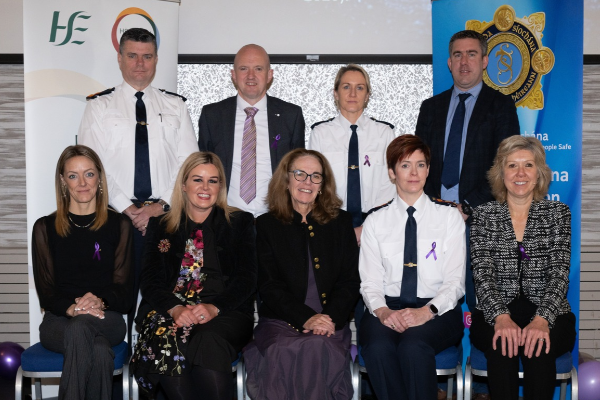
Representatives from the HSE, policing, local authority, child and family, community and voluntary services came together in Letterkenny on Monday, 16 November 2026, to strengthen understanding of domestic abuse risk factors and explore how agencies can work together to support people at risk.
The conference, organised by the North West Regional Drug and Alcohol Task Force in partnership with An Garda Síochána Donegal and supported by HSE Social Inclusion North West, delivered the Domestic Homicide Timeline training programme, “See the RED Flags. Act Earlier” at the Radisson Blu Hotel, Letterkenny.
Lead analyst and former police officer Bridie Armstrong and barrister Sarah Ellis used real-life case studies to demonstrate how patterns of coercive control can develop over time and how risk may continue to escalate following separation. Participants examined key warning signs, including stalking behaviours and breaches of court orders, and explored when risk should be reassessed, how to respond safely and effectively to disclosures of abuse, and the importance of coordinated safety planning.
A key focus of the training was recognising that different services may each see only part of a person's experience. By bringing these observations together, professionals can build a more complete picture of risk, improve decision-making and strengthen supports for individuals and families affected by domestic abuse.
The conference was opened by HSE Social Inclusion Manager Trish Garland and Chief Superintendent Goretti Sheridan.
Commenting on the training, Trish Garland said "Domestic abuse is a significant public health and safeguarding issue with profound consequences for the physical and mental health, wellbeing and safety of individuals, children, families and communities. Within health and addiction services, we regularly work with people who may be experiencing trauma, coercive control, social isolation or complex vulnerabilities. It is essential that professionals have the knowledge and confidence to recognise the warning signs and respond in a safe, compassionate and trauma-informed manner.
"This training reflects our commitment to collaborative working, strengthening safeguarding responses and ensuring opportunities for early intervention are not missed."
Chief Superintendent Goretti Sheridan said "Recognising the warning signs of domestic abuse and responding at the earliest opportunity is essential to protecting those at risk. By working together, sharing knowledge and strengthening relationships between services, we can improve how we identify and respond to domestic abuse and help keep people safe.
"Through this initiative, we are strengthening professional awareness, building relationships across services and supporting a more coordinated approach to prevention. Most importantly, we want the learning from today to lead to practical improvements in how agencies work together to protect individuals and families at risk."
The article above is specific to the following Saolta hospitals::
Letterkenny University Hospital (LUH)